




Description
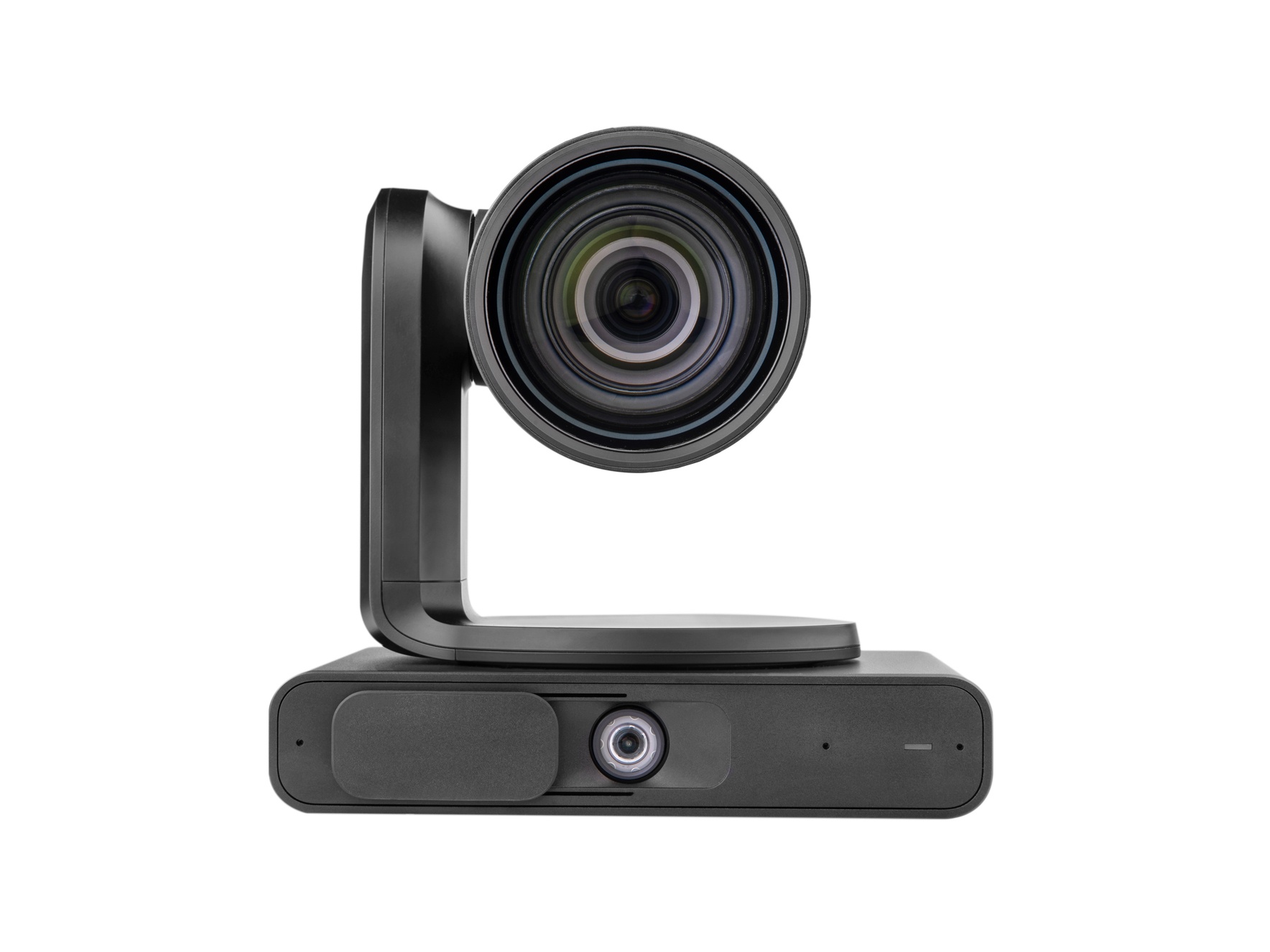
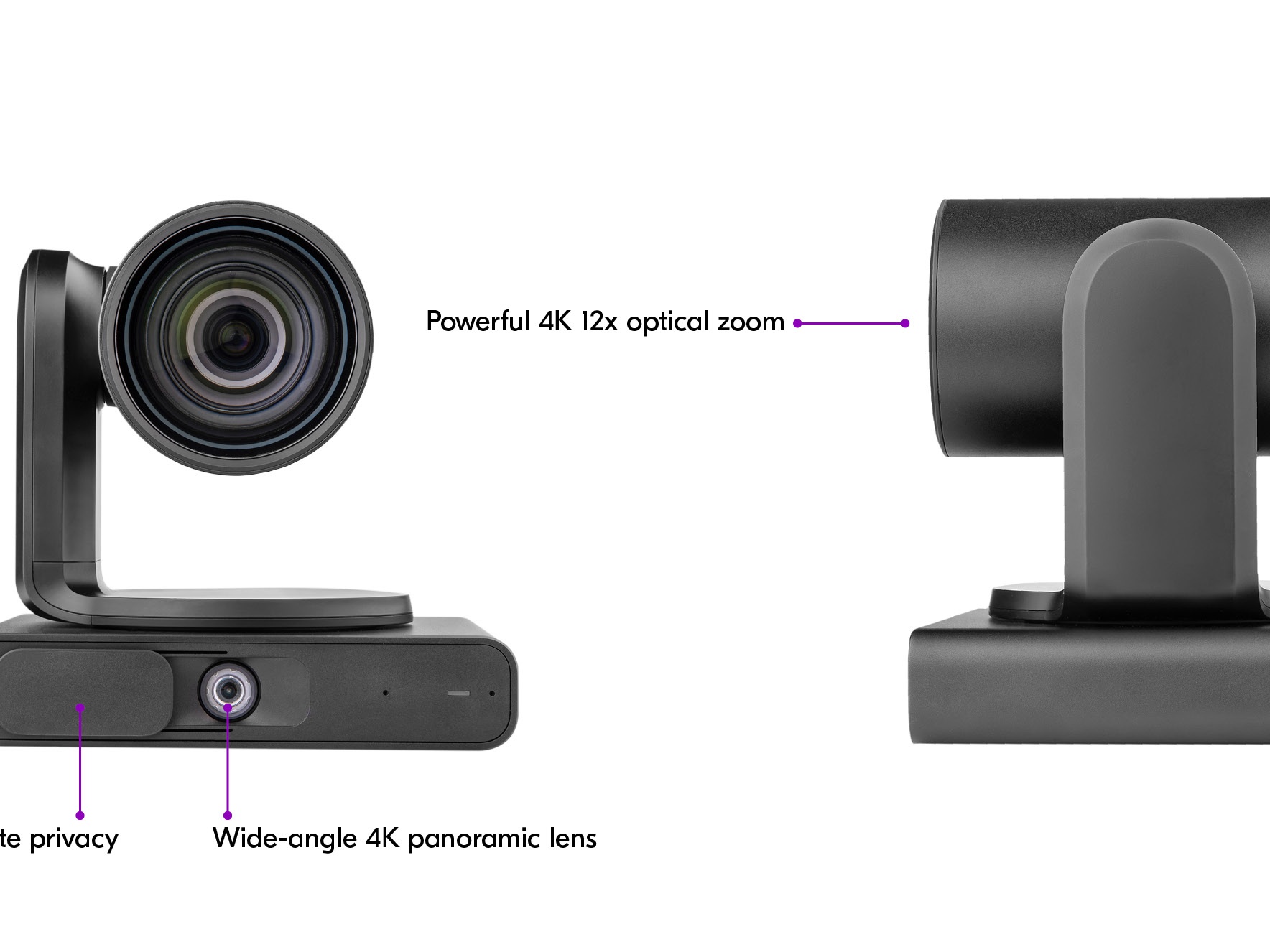
The KAC-CAM-70 is a Microsoft-certified dual-lens 4K PTZ camera designed to capture full-room and close-up views in medium to large meeting spaces. This camera provides a dedicated close-up stream plus a wide-angle panoramic stream to ensure every participant is visible. The integrated microphone array and AI-driven framing deliver a cohesive AV experience for both local and remote attendees.
Key features include a 12x optical zoom lens for detailed close-ups and a second 119° DFOV wide-angle lens for complete room coverage. Onboard AI functions include auto-framing, presenter tracking, speaker tracking, and smart gallery support for up to eight feeds. The camera supports multi-stream output so systems can publish focused PTZ and panoramic feeds simultaneously.
Imaging performance is driven by high-quality 4K CMOS sensors and effective pixel counts around 8.4M, enabling detailed video at 4Kp30 and multiple lower resolutions. Low-light sensitivity is specified at 0.5 Lux at F1.8 with AGC engaged and shutter speeds from 1/30s to 1/10000s. Noise reduction is implemented in both 2D and 3D domains and the SNR is rated at 55 dB or greater.
Connectivity includes USB 3.0 UVC for direct USB video, an RJ45 LAN port with PoE+ support, and a Type-C USB port. Video compression options include YUV, H.264 and MJPEG and the USB3.0 formats include 4Kp30/25 plus a broad set of HD and SD formats. The KAC-CAM-70 integrates with Kramer AudioCodes MTR systems and supports standard control and mounting workflows common in conference AV deployments.
The camera suits a range of meeting and collaboration scenarios including Microsoft Teams Rooms, boardrooms, lecture halls and hybrid classrooms. In smart gallery mode the AI can present up to eight participant tiles while continuing to deliver a primary PTZ feed. Speaker tracking and presenter modes help remote viewers follow speakers and important on-room activity.
Installation is streamlined with included mounting hardware, a Kensington security lock and PoE+ power capability to reduce cabling. The unit is engineered for daily commercial use and operates across typical room ambient temperatures. Firmware and control options provide integration flexibility for AV integrators and IT teams.